
A Plat of Survey Before Combining Two Adjoining Residential Lots
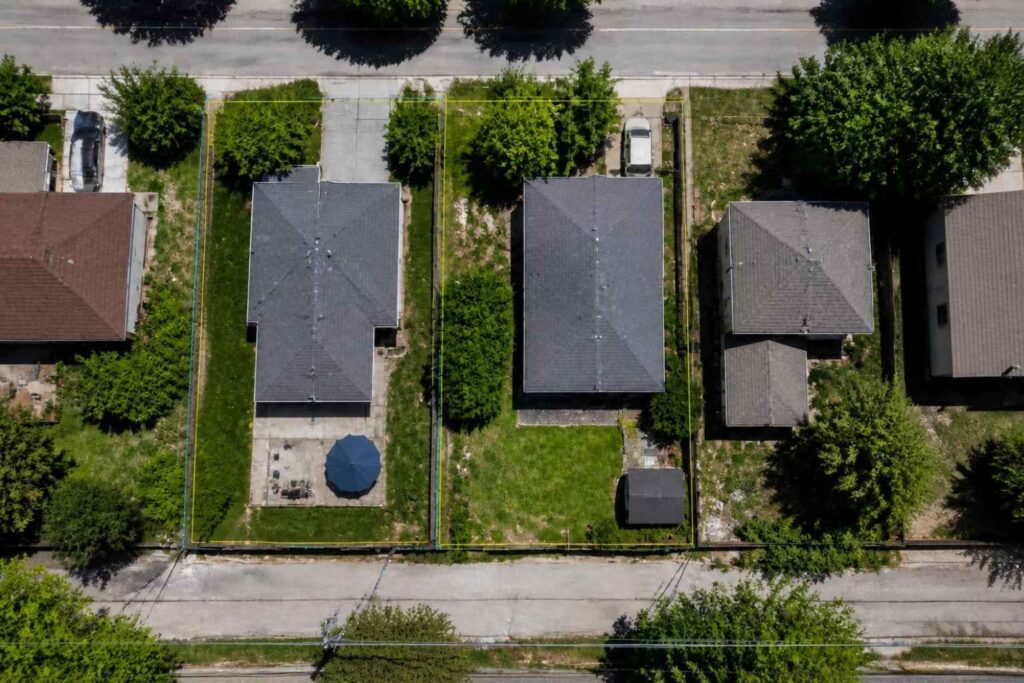
Buying the lot next door sounds simple. Two parcels, one owner, one bigger yard. Then you try to pull a permit for that new building, and the county asks for a plat of survey that shows both lots as one. Combining adjoining residential lots is rarely as clean as it looks on paper, and skipping the survey step is where projects stall. Get the plat done first, and you avoid the delays that catch most owners off guard.
What Property Owners Should Review Before Combining Two Lots
Start with the paper trail. Pull the deeds for both parcels and confirm the current owner of record on each one. If the lots sit under different names, different trusts, or an old estate, that has to be sorted before anything else moves. Clean ownership on both sides is the base you build on.
Next, look at how each lot is described in the records. Older parcels often carry legal descriptions that do not match what is on the ground today. A fence may sit three feet off the true line. A driveway might cross onto the neighboring parcel. These small gaps become real problems when you try to merge the two into a single lot.
Local rules matter just as much. Every county and city has its own process for a lot combination, and the names vary. Some call it a merger, some a unity of title, some a replat. Check the minimum lot size for your zoning, the fees involved, and whether the combined lot still meets every dimensional rule. A quick call to the planning desk saves weeks of guessing.
Do not forget the lender and the title company. If either lot has a mortgage, the loan may need to be addressed before the parcels can join. Title searches on both lots can also turn up liens, old easements, or claims you did not know about. It is far cheaper to find these now than after you have paid an architect.
The Role of a Plat of Survey in the Lot Combination Process
A plat of survey is the drawing that shows what you actually own. It maps the boundaries of both lots, their exact dimensions, and how they fit together. When two parcels combine, the survey becomes the picture the county reviews and the record everyone relies on. Without it, you are asking officials to approve a change they cannot see.
The survey does more than trace lines. It locates the physical features that sit on and near the parcels, like buildings, sheds, pavement, and walls. That detail shows whether a structure crosses the shared line or sits too close to it. Those conflicts shape how the combined lot can be used, so you want them on paper early.
What the survey typically shows
A plat of survey for a lot combination usually includes:
- The recorded boundary lines of both parcels
- Total dimensions and square footage of the proposed combined lot
- The interior line shared by the two lots
- Existing buildings, additions, and outbuildings
- Driveways, fences, walls, and other visible improvements
- Recorded easements and setback lines that apply
That single sheet answers most of the questions a reviewer will ask. It also gives your engineer or architect a real base to design against. Guesswork gets replaced with measured facts.
Easements, Setbacks, and Improvements That May Affect the New Lot
Easements do not vanish when lots combine. A utility easement running along the old shared line often stays right where it is. That means a power, water, or drainage right could sit in the middle of your new, larger parcel. You may not be able to build over it, which changes where a house or addition can go.
Setbacks shift in ways owners rarely expect. Each lot had its own required distance from side lines, and some of those interior setbacks may drop once the lots become one. That can free up buildable space in the center of the property. A survey and a zoning check together show you the new footprint you have to work with.
Existing improvements bring their own puzzles. A shed built near the old line, a fence, or a driveway that once served two separate homes can all complicate the merge. Some features may need to be removed, moved, or documented before approval. The plat flags each one so you decide with full information, not after a surprise from an inspector.
The Shared Lot Line and What Happens to It
Here is the part that trips people up. Buying both lots does not erase the line between them. That interior boundary stays a legal line of record until a government body approves its removal. Until then, you own two lots that happen to touch, not one combined parcel.
Removing that line takes a formal step. Depending on your area, that could be a lot combination applications, a unity of title document, or a full replat. Each path ends with a revised legal description that treats the two parcels as a single lot. The plat of survey supports that new description and gives the recorder something accurate to file.
Skipping this step causes real trouble later. A building official may deny a permit for a structure that crosses an interior line that still legally exists. A future buyer or lender may balk when the records show two lots instead of the one you described. Finishing the paperwork now keeps the property clean for everything that follows.
When a New Plat of Survey May Be Necessary
An old survey may not carry you through a combination. If the existing plat predates recent construction, added structures, or a changed fence line, it no longer matches reality. Permitting offices want a current picture, so a fresh plat of survey is often required before they will act. A dated drawing can send you right back to the start.
Future plans are another trigger. If you intend to build a larger home, add a garage, or place a pool on the combined lot, the design team needs accurate boundaries and grades. Financing can call for it too, since lenders often ask for a current survey before funding a construction loan. Lining up the survey with these milestones keeps the project on schedule.
A later sale is the last common reason. When you eventually sell the combined property, a buyer will want proof that the two lots were legally joined and correctly described. A current plat of survey answers that question on the spot and keeps the closing from stalling. Order it at the right moment, and it works for you at each stage instead of becoming a rushed afterthought.
