
ALTA Survey Utilities for Reviewing Easements Before a Commercial Purchase
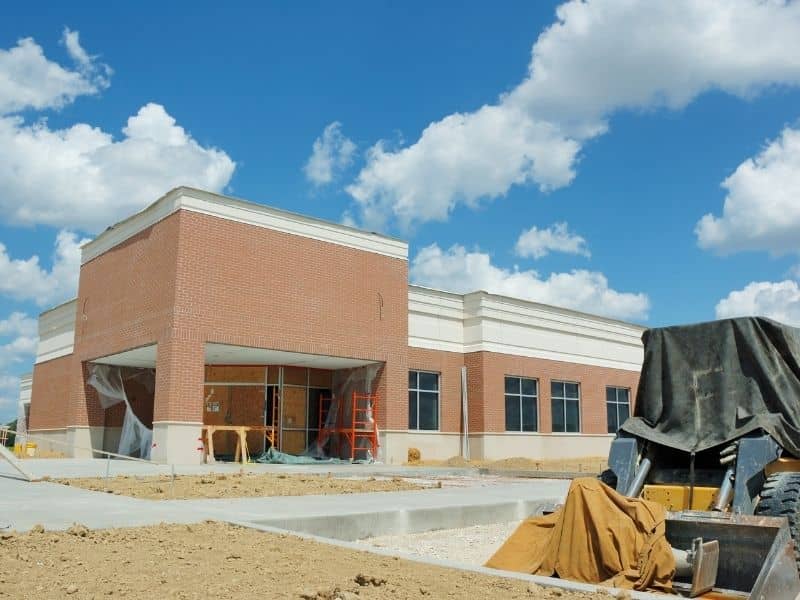
Utility easements are silent partners in many commercial purchases. They give a power company, water provider, or drainage authority rights to part of your land, and those rights often outlast every owner. ALTA survey utilities work shows where those easements fall, what visible features sit inside them, and where buried lines may run. Review that picture before closing, and you’ll know how much of the property you can really use.
This guide is for commercial buyers and investors, with lenders, title agents, and engineers in mind. It covers identifying easements, comparing records with field evidence, optional underground data, closing questions, and future planning. Requirements vary by lender, title company, and property, so confirm your scope early.
Identifying Utility Easements That Affect Commercial Property Use
Recorded utility easements can affect where commercial property owners build, pave, landscape, or install improvements. Reviewing easement documents alongside survey findings helps buyers identify potential restrictions before closing. The title commitment identifies recorded utility easements, while the ALTA survey depicts those that can be located.
The effect depends on location and terms. A narrow strip along a back line may barely matter, while a wide easement across the middle of a site can split the buildable area. Some easements restrict permanent structures, and some may allow the holder to remove improvements that block access.
Comparing Recorded Easements With Visible Utility Features
Comparing recorded easements with visible features shows whether the paperwork matches the ground. The ALTA survey shows visible evidence of utilities, such as manholes, valves, poles, transformers, and meters. When those features sit inside plotted easements, the records and the field agree.
Mismatches are where risk hides. Each one deserves a question to the title agent or surveyor. Common mismatches include:
- Utility features with no matching recorded easement
- Recorded easements with no visible utility inside them
- Lines running just outside the recorded strip
- Easement widths narrower than the equipment they hold
- Old easements that appear abandoned
A feature with no easement may point to an unrecorded right. An easement with nothing in it may be unused, though it can still carry rights. Your attorney can explain how each finding affects the property.
Reviewing Underground Utilities Through Optional ALTA Survey Services
Underground utilities go beyond the standard ALTA scope and are added through an optional Table A item. That item draws on utility plans, provider records, and locator markings to show buried lines. The client must request it, and lenders sometimes require it.
Accuracy depends on the source. Lines marked in the field are usually more reliable than lines drawn from old plans. The survey notes should identify the source for each line.
Buyers planning construction may want more certainty than standard locating provides. Subsurface utility engineering, or SUE, uses tools like ground-penetrating radar and test holes to confirm line locations. It costs more up front but can prevent expensive surprises during design and construction.
Addressing Utility Easement Questions Before Commercial Closing
Utility easement questions are easiest to resolve before closing, while the contract still gives you options. Review the survey, the title commitment, and the easement documents together. Do it as soon as the draft survey arrives.
Common fixes include asking the holder to release an unused easement, define a blanket easement, or relocate a line. Some issues may lead to title endorsements, price changes, or seller cures. Your attorney can explain which remedies fit your contract.
Some fixes take time because they depend on utility providers. Providers often have their own review process for releases and relocations. Start early so those requests don’t stall your closing.
Using Survey Findings to Plan Future Property Improvements
Survey findings on utility easements become a planning tool after closing. They show where you can expand, add parking, or install new equipment without crossing utility rights. Designers should start from the survey instead of older plans.
Before any digging, contractors should call 811 so member utilities can mark their lines. Private lines on the owner’s side of the meter may need a private locator. The survey helps contractors know what to expect before the marks go down.
Keep the survey current as the site changes. New lines, abandoned lines, and released easements all change the picture. An update before major work keeps everyone working from accurate data.
Frequently Asked Questions
What does an ALTA survey show about utilities?
The standard survey shows visible utility features and plots recorded utility easements where possible. Underground lines can be added through an optional Table A item. The notes explain how each easement affects the property. Ask your surveyor what your scope includes.
Can I build over a utility easement?
Many easements restrict permanent structures, but the terms vary. The holder may agree to a release or relocation in some cases. Building without permission can lead to removal demands. Review the easement with your attorney first.
What if a utility line has no recorded easement?
It may point to an unrecorded right or an outdated record. The title company may add an exception for it. Some owners seek a recorded easement or a relocation. Talk with your attorney about the best approach.
How can I remove an old utility easement?
An unused easement may be released by the holder through a recorded document. The holder decides whether to release it. The process and timing vary by provider. Start the request early in due diligence.
Is underground utility data on an ALTA survey reliable?
Reliability depends on the source of each line. Field-marked lines are usually more dependable than lines drawn from plans. The survey notes should say where each line came from. SUE can add confidence where it matters most.
