
As-Built Surveys That Verify Completed Sidewalk Improvements
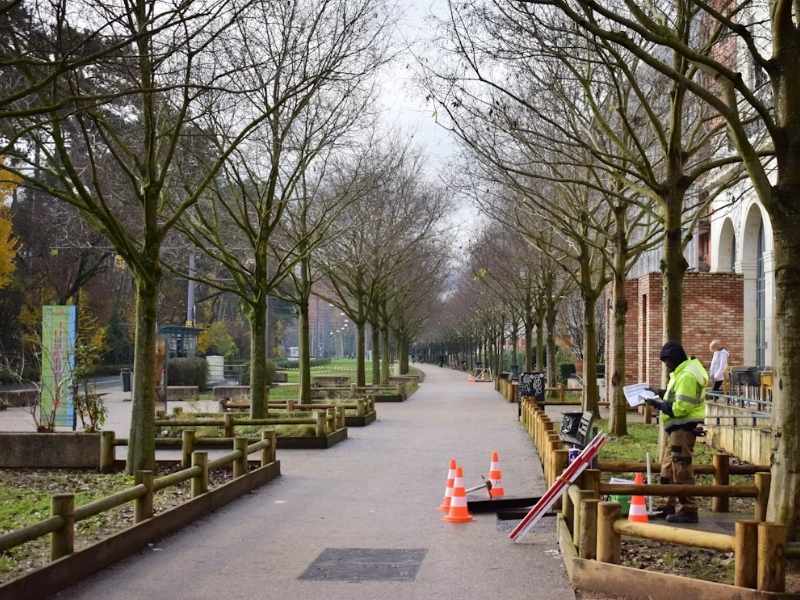
A new sidewalk can look finished the day the concrete cures. But looking finished and matching the approved plan are two different things. That gap is where problems hide, and it’s why many completed sidewalk projects still need a formal check before anyone signs off.
As-built surveys give you that check. They record what was actually built, then compare it against the design that was approved. For sidewalk work in a growing area like Jacksonville FL, that record often decides whether a project passes inspection or gets sent back for fixes.
Why Sidewalk Projects Need Verification After Construction Is Complete
Contractor completion means the crew finished the work. It does not prove the work meets the plan. Those are separate things, and inspectors treat them that way.
Small shifts happen on almost every job. A ramp might sit an inch too high. A slope might run steeper than the drawing shows. A curb connection might land a few feet off from where the plan placed it. None of these are always obvious by eye, but they still matter for approval.
As-built surveys catch these shifts before they become disputes. The survey measures the finished sidewalk and lines it up against the approved plans, permits, and design requirements. If the built work drifts from the design, the survey shows exactly where and by how much. That gives everyone a clear, measured answer instead of a guess.
What an As-Built Survey Measures in a Sidewalk Improvement Project
An as-built survey is field work first. A surveyor visits the finished site and records the real position and shape of the sidewalk. Then that data gets drawn up and checked against the plan.
For sidewalk projects, the survey usually captures:
- The exact location and width of the sidewalk
- Elevations along the path and at key points
- Grades and cross slopes on the walking surface
- Ramp slopes and landing dimensions
- Curb connections and transitions to the street
- Nearby features like driveways, utilities, drainage inlets, and right-of-way lines
Each of these affects how the sidewalk performs and whether it passes review. A ramp that reads a little too steep can fail an accessibility check. A cross slope that tilts the wrong way can send water where it should not go. Recording these details creates a factual picture of the finished work, not an assumption.
How As-Built Data Helps Confirm ADA Accessibility and Drainage Performance
Accessibility rules are strict for a reason. People using wheelchairs, walkers, and strollers depend on safe slopes and smooth transitions. As-built surveys help confirm the finished sidewalk actually meets those needs.
The survey measures ramp slopes, cross slopes, and landing sizes with real numbers. It also checks that transitions between the sidewalk, ramps, and street are smooth and even. If a slope runs outside the allowed range, the data shows it right away. That lets the team correct the problem before it turns into a safety complaint or a failed inspection.
Drainage gets the same treatment. Sidewalks need the right slope to move water toward inlets and away from the walking path. The survey records elevations and grades so the team can confirm water flows the way the design intended. Standing water and poor runoff often trace back to small grade errors, and measured data helps catch those early.
The Role of As-Built Surveys in Municipal Review and Project Documentation
Cities and counties rely on accurate records to close out public work. In Jacksonville and across Florida, municipal review often calls for as-built documents before a project is accepted. The survey documentation becomes part of the official file, providing a reliable record of what was completed and allowing inspectors, engineers, and project teams to reference accurate field information during review.
Different people use that file in different ways. Inspectors use it to confirm the work meets code before final approval. Engineers use it to check that field results match the design intent. Developers and contractors use it to prove the job was built correctly and to close out permits.
The survey also updates the public record. When a sidewalk ties into a road, utility line, or drainage system, the as-built shows how it all connects. That keeps the city’s records current and reduces confusion later. Requirements can vary by municipality, county, and project scope, so it helps to confirm the exact documents needed early in the process.
Why Accurate Final Site Records Matter for Future Property and Infrastructure Decisions
A completed sidewalk is not the end of its story. It will be repaired, expanded, or worked around for decades. Accurate final records make each of those future jobs easier and cheaper.
Say a crew needs to dig near the sidewalk for a utility repair years from now. The as-built survey shows what was built and where lines and grades sit. That saves guesswork, protects the existing work, and helps avoid damage. It also reduces the risk of hitting something no one knew was there.
The same records support bigger decisions too. Planners reviewing future development, road widening, or drainage upgrades need to know what already exists. A reliable as-built survey gives them that starting point. Good records made now prevent costly surprises later, which is exactly why they hold long-term value.
Frequently Asked Questions
What is the difference between contractor completion and an as-built survey?
Contractor completion means the crew finished building the sidewalk. An as-built survey measures that finished work and compares it against the approved plans. One says the job is done, and the other proves it was done correctly. Many projects need both before a city will accept the work.
Do all sidewalk projects require an as-built survey?
Not every project does, but many public and permitted ones do. Requirements can vary by municipality, county, project type, and scope. Larger improvements and work in the public right-of-way are more likely to need one. It’s smart to confirm the requirement early so timing does not slow down approval.
How do as-built surveys help with ADA compliance?
They measure ramp slopes, cross slopes, landings, and transitions with real field data. That shows whether the finished sidewalk meets accessibility standards or falls outside them. If a slope is off, the survey pinpoints the problem so it can be fixed. This helps prevent failed inspections and safety issues down the road.
When should an as-built survey be done on a sidewalk project?
The survey should happen after construction is complete but before final sign-off. That way the data reflects the finished work and can support inspection and approval. Scheduling it too late can delay project closeout. Confirm the timing early if your permit or acceptance depends on it.
Who uses the as-built survey after the project is finished?
Municipalities use it for inspection and record updates. Engineers use it to confirm the design was built as planned. Developers and contractors use it to close out permits and prove the work. Future crews also use it during repairs, utility work, and site planning.
