
Property Survey Review Before Installing EV Charging Areas
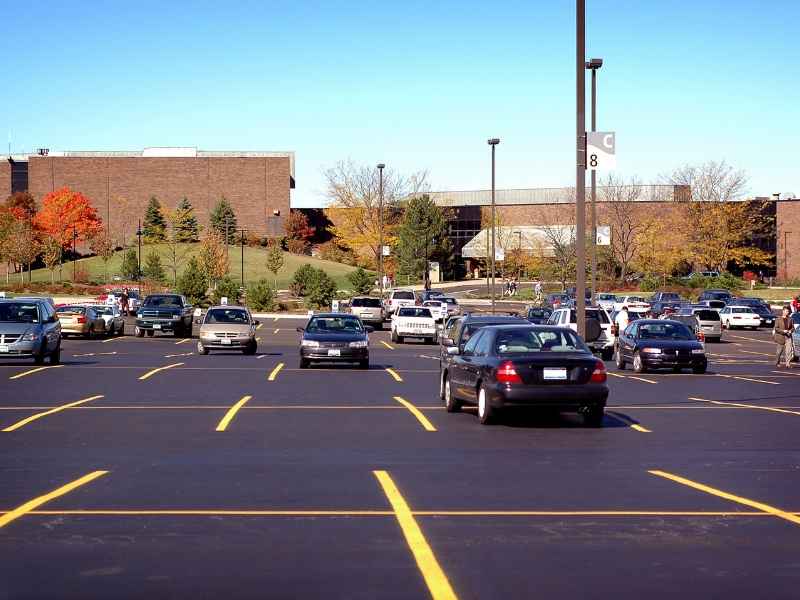
A careful property survey review before installation helps everyone avoid placing chargers across a line, inside an easement, or in a spot that floods. Pull your existing surveys first, confirm what’s changed, and bring the survey team in before the charger layout is locked. Commercial property owners carry most of this risk, including retail centers, office parks, hotels, and multifamily communities. EV installers, electrical contractors, and engineers deal with it in design and the field.
EV chargers look simple from the parking lot. A few pedestals, some striped spaces, and a small equipment pad. Underneath, though, there’s trenching, conduit, a transformer, and a lot of decisions about where everything can legally and physically go.
Reviewing Existing Property Surveys for EV Charging Site Planning
Start with the surveys you already have. Many commercial owners have an ALTA/NSPS survey from a purchase or refinance, a boundary survey, or a topographic survey from original construction. Each one shows different information, so check which type you’re looking at.
Look at the date and what’s on the drawing. An older survey may not show recent parking changes, new landscaping islands, added light poles, or a building expansion. It may also leave out underground utilities that matter for trenching. If the site has changed, the existing drawing may only be a starting point.
Check these items on your current survey:
- Property boundaries and corner locations
- Parking layout, curbs, and islands
- Recorded easements and their widths
- Visible utilities, poles, and transformers
- Spot elevations or contours, if shown
Missing details are common. Your survey team can tell you whether an update will cover the charging project or whether new field work is needed.
Confirming Property Boundaries and Parking Area Restrictions
Chargers are often placed at the edges of parking lots, which puts them close to property lines. Equipment pads, bollards, and conduit runs need to stay inside your property unless you have a recorded right to use neighboring land. A current boundary check confirms exactly where that edge is.
Parking itself may come with restrictions. In shopping centers and mixed-use sites, shared parking areas may be controlled by a recorded reciprocal easement agreement. That agreement can limit changes to striping, curbs, or common areas. Leased spaces and outparcels can add more limits. Your attorney can review the agreements, and the survey can show where the shared areas fall.
Local rules may also affect the layout. Converting standard spaces to EV spaces can change parking counts, and accessible charging spaces may have their own design standards. Fire lanes, landscaping buffers, and setbacks for equipment can limit placement too. These rules vary by municipality, county, and property type, so confirm them with the permit office early.
Evaluating Site Elevations and Drainage Around Charging Stations
Electrical equipment and standing water don’t mix. Chargers, pedestals, and transformer pads should sit where water drains away instead of collecting. A topographic survey shows elevations, slopes, and low spots across the parking lot.
Low corners of parking lots are often the easiest places to add chargers, since they sit at the edge of the site. They’re also where water tends to pond after heavy rain. Elevation data helps the design team choose spots with good drainage or plan pads that sit higher than the surrounding pavement.
Flood zone status matters on some properties. If any part of the site falls in a mapped flood zone, there may be added requirements for electrical equipment. Those requirements can vary by community and flood zone, so check with the local floodplain office. Trenching and new curbs can also change drainage paths, which is another reason to plan with good elevation data.
Identifying Utility Easements and Electrical Infrastructure Routes
Utility easements often run along the edges of commercial lots. These recorded strips give utility companies the right to install and maintain lines. Placing an equipment pad or charger inside an easement may be restricted or may require approval, depending on the easement terms.
EV projects need a power route. That usually means conduit from the electrical service or a new transformer to each charger location. The utility company often decides where a new transformer goes, and its location affects trench length and cost. Knowing where existing lines, easements, and obstacles sit helps the team choose the shortest practical route.
Underground conflicts cause many installation delays. Storm pipes, water lines, gas lines, irrigation, and communication cables can sit right where a trench needs to go. Call 811 for public utility locates before digging, and consider a private locating service for lines the public system won’t mark. The survey can tie those located lines into the site drawing.
Coordinating Survey Findings With EV Charging Installation Plans
Survey data works best when everyone uses the same drawing. Share the current survey with your EV installer, electrical engineer, and civil engineer before the layout is final. Their plans should show the boundary, easements, utilities, drainage features, and proposed charger locations on one sheet.
Permit and utility applications often need a site plan. Some reviewers want to see property lines, easements, setbacks, and equipment locations. Requirements vary by municipality, county, and utility provider, so ask what each reviewer expects before you submit.
Field layout helps during installation. The survey team can stake pad locations, trench routes, and easement limits so the crew stays on plan. After the work is done, an as-built survey can record the location of new conduit and equipment. That record helps with future maintenance and expansion.
Frequently Asked Questions
Do I need a new property survey before installing EV chargers?
Not always. An existing survey may work if it’s recent and shows the parking area, easements, and utilities. Older surveys or sites that have changed often need an update. Your survey team can review what you have and recommend the right scope.
Can EV chargers be placed inside a utility easement?
It depends on the easement terms and the utility company. Some easements restrict structures or equipment within their limits. Others may allow certain uses with permission. Review the recorded easement with your attorney and check with the utility before finalizing the layout.
Will converting parking spaces affect my site approvals?
It can, depending on local rules. Some communities have minimum parking counts, accessibility standards, or specific rules for EV spaces. Shared parking agreements may also limit changes. Check with your permit office and review any recorded agreements early.
