ALTA Survey Red Flags That Can Delay Real Estate Deals
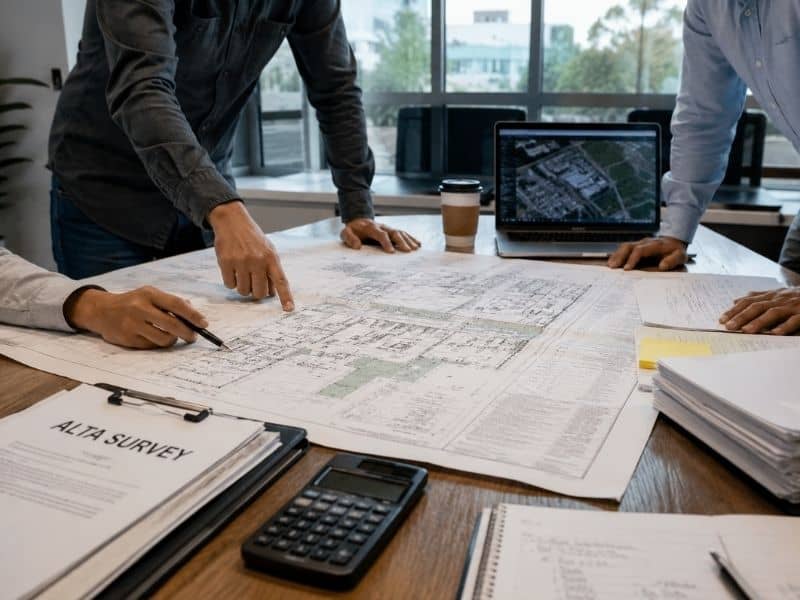
An ALTA survey can uncover property problems that delay commercial real estate closings. Buyers, lenders, and title companies use this survey to check boundaries, easements, access rights, and site conditions before money changes hands. When survey results uncover legal or physical conflicts, the deal often slows down until the issue gets resolved.
Commercial real estate deals can move quickly for weeks. Then one survey issue changes everything.
The buyer already secured financing. The lender approved the file. Attorneys are preparing closing documents. Then the ALTA survey comes back with problems nobody expected.
That happens more often on commercial properties than most buyers realize.
An ALTA survey does more than show property lines. It compares legal records with what exists on the land today. If something does not match, lenders and title companies start asking questions.
Some problems take a few days to fix. Others can delay closing for weeks.
Missing Access Rights Can Delay Closing
An ALTA survey can reveal that a property lacks recorded legal access to a public road. Even if cars already enter the site every day, lenders still want written proof showing the property has legal access.
A site may look easy to reach. There is pavement. There are driveways. Trucks move in and out all day.
Then the survey shows no recorded access easement.
That creates immediate trouble during closing.
Lenders do not want to finance a property without confirmed legal entry. Title companies also avoid properties with unclear access rights because future ownership disputes become possible.
This issue appears often on older commercial sites. Over time, businesses may start using shared entrances or side roads without updating public records.
The property still functions. The paperwork does not.
That mismatch creates risk for everyone involved in the transaction.
Encroachments Raise Serious Questions
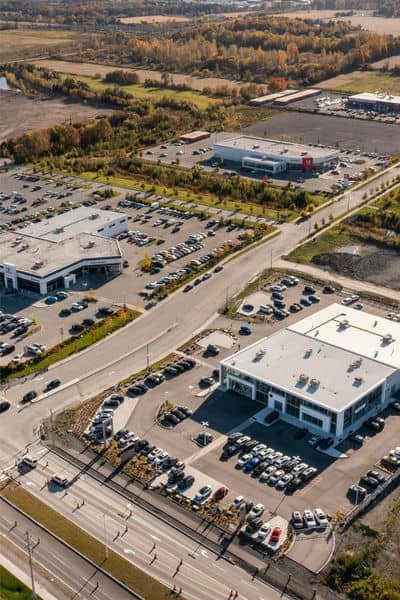
An ALTA survey helps identify encroachments before closing. Encroachments happen when structures, parking areas, fences, or improvements cross property lines and enter neighboring land.
Encroachments are one of the biggest reasons commercial deals slow down.
Sometimes the issue looks minor at first. A fence crosses the boundary by a few feet. A retaining wall sits over the line. A loading zone extends onto another parcel.
Small problems still matter during commercial transactions.
Lenders want clear boundaries before funding a deal. Buyers also want to avoid future lawsuits with neighboring owners.
An ALTA survey may uncover:
- retaining walls crossing property lines
- parking lots built outside the parcel
- shared driveways without agreements
- signs installed on neighboring property
- utility boxes inside easement areas
Some buyers decide the risk is too high. Others push the seller to correct the issue before closing continues.
Easements Can Limit Future Development
An ALTA survey shows where easements affect the property. Easements may allow utility companies, cities, or neighboring owners to use part of the site for access, drainage, or utility lines.
Many buyers focus only on the building. They forget to study easements.
That mistake can become expensive later.
A commercial site may seem large enough for expansion. Then the ALTA survey reveals utility easements running directly through the planned construction area.
That changes the entire project.
A buyer planning a warehouse addition may need a redesign. A developer expecting more parking may lose usable space. Future construction may stop completely in certain parts of the property.
This issue becomes common near older utility corridors and developed commercial areas.
Legal Descriptions Sometimes Conflict With Site Conditions
An ALTA survey can reveal differences between legal descriptions and actual field conditions. Older deeds, parcel splits, and outdated records often create confusion during commercial transactions.
Some legal descriptions were written decades ago.
Since then, roads may have changed. Parcels may have been divided. Previous owners may have combined lots without correcting every document.
Then the ALTA survey exposes the mismatch.
That creates concern for:
- buyers
- lenders
- attorneys
- title companies
Nobody wants uncertainty during a property transfer.
Fixing legal description problems can take time because attorneys may need updated deeds, corrected filings, or additional title research before closing moves forward.
Unrecorded Site Changes Can Create Delays
An ALTA survey compares recorded documents against actual site conditions. That process often uncovers changes that never appeared in public records.
Commercial properties change constantly over the years.
Owners expand patios. Tenants move fences. Parking layouts shift. New entrances appear.
Many of those changes never reach official records.
The survey exposes those differences quickly.
A restaurant may have expanded seating into an easement area years ago. A warehouse may use access paths that were never formally approved.
Those issues may not affect daily operations today. Still, they create legal and financial concerns for new buyers and lenders.
Nobody wants to inherit unresolved property problems after closing.
Flood Zone Issues Can Affect Financing
An ALTA survey often works together with flood maps and elevation information during commercial real estate transactions. Flood risks can trigger extra lender reviews, insurance requirements, and project concerns.
Flood issues can delay financing fast.
A lender may require flood insurance before approving final loan documents. Buyers may also learn that future improvements need drainage upgrades or elevation work.
Some commercial sites appear dry most of the year. Heavy storms tell a different story.
Flood concerns become more serious near:
- rivers
- coastal areas
- low-lying commercial districts
- older drainage systems
Many buyers do not discover these risks until the ALTA survey review process begins.
Parking Problems Can Reduce Property Value
An ALTA survey may reveal parking shortages, setback violations, or shared parking problems that affect the legal use of a commercial property.
Parking becomes a major issue during commercial transactions.
Retail centers, restaurants, and office buildings often require a minimum number of spaces under local zoning rules.
Then the survey reveals problems like:
- fewer parking spaces than expected
- parking areas crossing property boundaries
- spaces built inside setbacks
- shared parking without legal agreements
That can hurt both financing and property value.
A commercial property loses appeal quickly if it cannot legally support its current business use.
Older commercial sites run into this problem often because parking layouts changed over time without updated approvals.
Utility Conflicts Can Increase Development Costs
An ALTA survey identifies utility locations that may affect future construction plans. Underground utility conflicts can force redesigns, delay permits, and increase engineering costs.
Utility lines affect more than daily service.
Water, sewer, gas, and electrical systems all require protected space around them.
Sometimes underground lines block future building additions. Other times they create safety setbacks that reduce usable land.
A buyer may plan an expansion project, then discover utilities sitting directly below the proposed construction area.
That forces redesign work.
Engineering costs rise quickly after that.
Timing Matters More Than Buyers Expect
Ordering an ALTA survey early gives buyers time to fix problems before closing deadlines create pressure. Waiting too long often leads to rushed decisions and delayed transactions.
One of the biggest mistakes buyers make is waiting too long to order the survey.
Some people wait until the deal reaches the final stage. Then survey problems appear days before closing.
That creates panic for everyone involved.
Survey corrections may require:
- title updates
- attorney review
- seller cooperation
- easement research
- city record checks
None of those processes move quickly.
Early survey work gives buyers time to solve problems before financing deadlines and closing pressure start building.
Commercial real estate transactions already involve stress. Last-minute survey surprises make everything worse.
Why ALTA Surveys Matter Before Commercial Closings
An ALTA survey does not create property problems. It exposes problems already attached to the site before ownership changes hands.
That difference matters during commercial transactions.
Many commercial properties carry hidden risks tied to outdated records, undocumented changes, easements, encroachments, or access issues. The survey brings those problems into the open while buyers still have time to respond.
Lenders, title companies, and buyers all want the same thing before closing: clear information and fewer surprises.
Without that clarity, even a strong commercial real estate deal can slow down fast.
