Jacksonville Land SurveyingPosted on by Jaxsurveyor
This site is intended to provide you with information on Land Surveying in the Jacksonville, Florida and Duval County area of Florida. If you’re looking for a Jacksonville Land Surveyor, you’ve come to the right place. If you’d rather talk to someone about your land surveying needs, please call our local number at (904)-712-2289 today. For more information, please continue to read.
Land Surveyors are professionals who make precise measurements to determine the size and boundaries of a piece of real estate. While this is a simplistic definition, boundary surveying is one of the most common types of surveying related to home and land owners. If you fall into the following categories, please click on the appropriate link for more information on that subject:
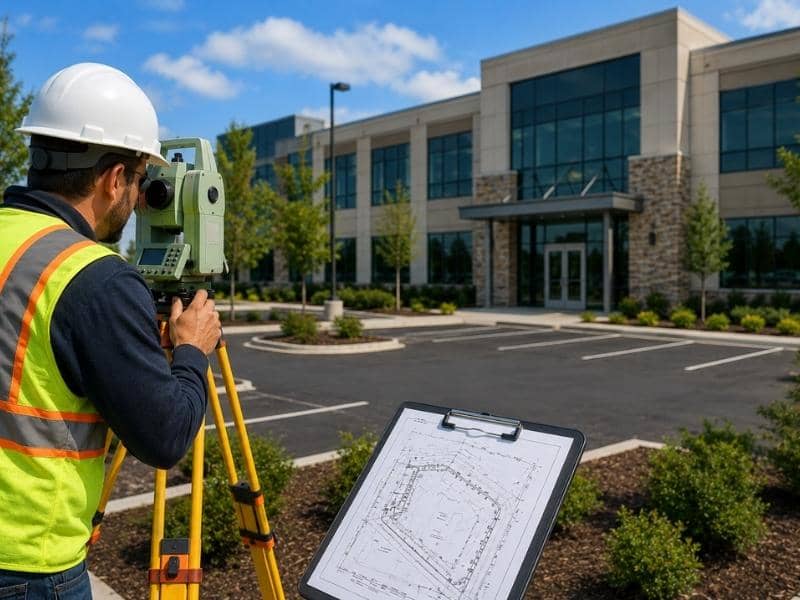
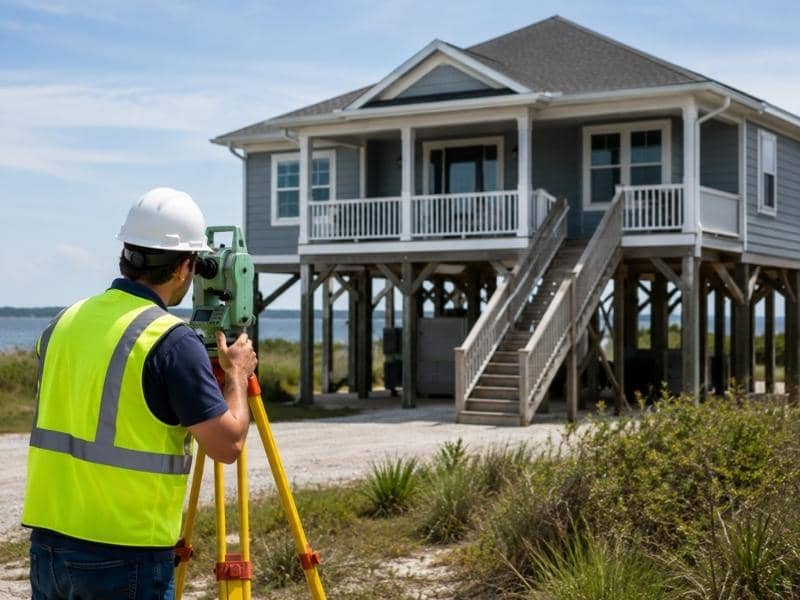
Jacksonville Land Surveying services:
I need to know where my property corners or property lines are. (Boundary Survey)
I have a loan closing or re-finance coming up on my home in a subdivision. (Lot Survey)
I need a map of my property with contour lines to show elevation differences for my architect or engineer. (Topo Survey)
I’ve just been told I’m in a flood zone or I’ve been told I need an elevation certificate in order to obtain flood insurance or prove I don’t need it. (Flood Survey)
I’m purchasing a lot/house in a recorded subdivision. (Lot Survey – See Boundary Survey if you’re not in a subdivision.)
I’m purchasing a larger tract of land, acreage, that hasn’t been subdivided in the past. (Boundary Survey)
Contact Jacksonville Land Surveying services TODAY at (904) 712-2289.
Jacksonville Land SurveyingPosted on by Jaxsurveyor
If you’ve ever bought a home, planned a fence, or had a disagreement with a neighbor over where your yard ends and theirs begins, you’ve probably heard the term “boundary survey.” But what exactly is it, and why does it matter so much?
So, What Is a Boundary Survey?
A boundary survey is an official measurement of your property’s legal edges. It defines the exact lines that separate your land from your neighbor’s, from the road, or from any other adjacent parcel.
Think of it as a GPS for your property rights. It tells you precisely where your land begins and where it ends, down to fractions of an inch.
A licensed land surveyor performs the work by researching your property’s deed, title records, and historical survey documents, then physically visiting your property to locate or set corner markers called monuments that define the boundary.
The final result is a legal document, a detailed plat or map, that can be used in real estate transactions, construction permits, legal disputes, and more.
What Does a Boundary Survey Actually Include?
A proper boundary survey typically covers:
Corner monuments. The surveyor locates existing iron pins, concrete monuments, or other markers that define your property corners. If they’re missing or disturbed, new ones are set.
A detailed plat or map. This drawing shows your property’s shape, dimensions, boundary lines, and their relationship to adjacent properties, roads, and easements.
Encroachment identification. If a neighbor’s fence, shed, driveway, or tree is crossing onto your land, or if yours is crossing onto theirs, the survey will catch it.
Easement notation. Any legal rights others have to use a portion of your property (like a utility company’s right to access power lines) will be documented.
Deed and title research. Before setting foot on your property, your surveyor will dig into public records to understand the legal history of your land.
A Boundary Survey vs. Other Types of Surveys
Homeowners often get confused about the different types of surveys. Here’s a quick breakdown:
Boundary Survey. Establishes the legal property lines. This is what you need for disputes, fencing, construction, or when you simply want to know exactly what you own.
Location Survey (Mortgage Survey). A less detailed survey often ordered at closing by lenders. It shows the approximate location of structures on the property relative to the boundary, but it is not accurate enough to use for construction or legal disputes. Many homeowners mistakenly think this protects them. It doesn’t.
Topographic Survey. Maps the elevation and physical features of your land (hills, drainage, trees). Used for construction planning and drainage design.
ALTA Survey. A highly detailed survey required for commercial real estate transactions. It meets national standards set by the American Land Title Association.
If you’re building a fence, adding an addition, or dealing with a neighbor dispute, a boundary survey is the one you need.
Why Do Homeowners Need One?
Jacksonville is one of the fastest-growing cities in Florida. New neighborhoods are being developed, older lots are being subdivided, and construction is happening faster than ever. That growth creates real risk for homeowners who don’t know exactly where their property lines are.
Here are the most common situations where a boundary survey becomes essential:
Before installing a fence. This is the number one reason homeowners order a boundary survey. Building a fence even a few inches over the property line can result in a neighbor demanding you tear it down, at your expense.
Before buying a home. A mortgage survey is not enough. If the previous owner built a deck, driveway, or addition that encroaches on a neighbor’s property, you inherit that problem the moment you close. A boundary survey before purchase protects you.
Before building an addition or outbuilding. Jacksonville’s building permits require structures to meet setback requirements, which are minimum distances from property lines. Without knowing exactly where your lines are, you could build in violation without realizing it.
When a neighbor dispute arises. If a neighbor disputes where your yard ends, a licensed boundary survey is the most legally credible way to resolve it. Courts in Florida give significant weight to boundary surveys performed by licensed land surveyors.
Before selling your property. Unresolved boundary issues can derail a real estate closing. Discovering an encroachment during the title search is one of the most common, and most avoidable, reasons deals fall through.
When you haven’t surveyed in years. Monuments get disturbed. Fences shift. Neighbors make assumptions. If your last survey is more than 10 years old, a lot may have changed on the ground.
What Makes a Boundary Survey Legal in Florida?
In Florida, only a licensed Professional Land Surveyor and Mapper (PLSM) can perform a boundary survey. It’s not something a contractor, a GIS map, or a phone app can legally provide.
The Florida Board of Professional Surveyors and Mappers regulates the profession and sets the technical standards all surveys must meet under Chapter 5J-17 of the Florida Administrative Code. Any survey that doesn’t meet these standards is not legally defensible.
This matters because if your boundary ever ends up in a dispute, whether with a neighbor, a developer, or a government agency, only a properly executed survey by a licensed PLSM will hold up.
Can’t I Just Use Google Maps or My County’s GIS System?
This is a very common question, and the answer is a firm no, at least not for anything legally meaningful.
Online maps and county GIS tools are helpful for getting a general picture of your property, but they carry important disclaimers: they are not surveys, they are not legally binding, and their accuracy can be off by several feet. In Jacksonville, Duval County’s property appraiser maps will even tell you directly not to use them for boundary determination.
For anything involving construction, fencing, permits, or disputes, you need a licensed surveyor on the ground.
How Long Does a Boundary Survey Take?
Timelines vary depending on how complex your property is and how backed up local surveyors are. In general:
Research and records review: 1–3 days
Field work: 1 day for most residential lots
Drafting the plat/map: 2–5 days
Total turnaround: Typically 1–3 weeks for a standard residential lot
For properties with complicated title histories, large acreage, or active disputes, the timeline can extend to several weeks.
A Quick Word About Boundary Disputes in Jacksonville
Florida’s rapid growth means that encroachment issues are more common here than in many other states. Older surveys, shifting monuments, and informal agreements between previous neighbors are all part of the landscape.
Under Florida law, if someone occupies a portion of your property openly and continuously for 7 years, they may be able to claim legal ownership through adverse possession. That means an unresolved encroachment isn’t just an annoyance. It’s a ticking clock.
A boundary survey is the fastest and most affordable way to stop that clock before it becomes a courtroom problem.
Frequently Asked Questions
How much does a boundary survey cost?
The cost depends on the size of the property and how complex the survey is. Larger lots or disputed boundaries usually cost more.
Can I build a fence without a boundary survey?
You can, but it is risky. A fence built over the property line may need to be moved or removed later.
Is a mortgage survey the same as a boundary survey?
No. A mortgage survey is less detailed and not accurate enough for construction or disputes.
How long does a boundary survey last?
Surveys do not expire, but property conditions can change over time. Many homeowners update older surveys before major projects.
Can a boundary survey help with neighbor disputes?
Yes. A licensed boundary survey can clearly show where the legal property lines are located.
Can I use Google Maps instead of a survey?
No. Online maps are not legally accurate enough for fences, permits, or property disputes.
Jacksonville Land SurveyingPosted on by Jaxsurveyor
You’ve probably heard the term before. Maybe your contractor mentioned it. Maybe the city required one before approving your permit. Or maybe you are buying land and someone told you to get a topographic survey before moving forward.
But what exactly is a topographic survey, and why does it matter so much?
A topographic survey is a detailed map that shows the elevation, slopes, drainage patterns, and physical features of a property. Unlike a simple property boundary survey, it helps homeowners, contractors, and engineers understand how the land changes across a site before construction begins.
The good news is that it is much simpler than it sounds. Once you understand what it does, you will see why it is one of the most useful tools a property owner can have.
What Is a Topographic Survey?
A topographic survey, often called a “topo survey,” is a detailed map of your land. It shows more than just property lines. It also shows the shape and elevation of the ground itself.
The survey captures slopes, dips, flat areas, and drainage patterns across the property. It also maps physical features already on the land, including:
Buildings
Trees
Fences
Utility lines
Sidewalks
Drainage ditches
Driveways
Retaining walls
A regular boundary survey tells you where your property begins and ends. A topographic survey shows what the land actually looks like inside those boundaries.
That difference matters a lot.
Why Topographic Surveys Matter
Jacksonville has unique land and drainage challenges. Much of the city sits at a low elevation near sea level. The area also includes wetlands, creeks, canals, and flood-prone zones connected to the St. Johns River.
Because the land is so flat, even small elevation changes can create major drainage problems.
A topographic survey helps property owners understand how water moves across the site. That information becomes important before building a home, adding a pool, installing drainage systems, or buying undeveloped land.
According to FEMA flood maps, many areas throughout Duval County face moderate to high flood risks. Jacksonville also receives about 50 inches of rainfall each year, making proper drainage planning extremely important for homeowners and developers.
Even a few inches of elevation difference can affect:
Flooding around a home
Drainage performance
Permit approvals
Foundation stability
Flood insurance costs
Construction expenses
A topo survey gives engineers, contractors, and city officials the information they need to make safe and informed decisions.
What Does a Topographic Survey Include?
A topographic survey includes several important details about the property. These measurements help architects, engineers, and contractors plan construction correctly.
Elevation Contours
Contour lines show how the ground rises and falls across the property. Lines placed close together show steeper slopes. Lines farther apart show flatter areas.
Since Jacksonville terrain is generally flat, contour lines often appear widely spaced.
Spot Elevations
Spot elevations are exact elevation measurements taken at specific points on the property. Surveyors use these points to create accurate grading and drainage plans.
Drainage Flow Patterns
The survey shows how water naturally moves across the land during heavy rain. This helps prevent drainage issues that could damage structures or neighboring properties later.
Existing Features
Topo surveys map physical features already on the property, including:
Homes
Garages
Trees
Fences
Utility poles
Driveways
Sidewalks
Storm drains
Wetland Areas
In Jacksonville, wetland boundaries can affect where construction is allowed. A topographic survey helps identify areas that may need additional environmental review before development begins.
Benchmark References
Surveyors connect elevation readings to official reference points measured above sea level. Engineers use these benchmarks when comparing the property against FEMA flood zone data.
Licensed surveyors often use advanced GPS equipment and total stations tied to national geodetic benchmarks to gather this information accurately.
When Do Homeowners Need a Topographic Survey?
Many people think topo surveys are only for large commercial projects. In reality, homeowners often need them too.
Here are some of the most common situations where a topographic survey becomes necessary.
Building a New Home
Architects and engineers need elevation information before designing a house. A topo survey helps them understand drainage, grading needs, and possible construction challenges.
Adding a Pool, Garage, or Addition
Jacksonville building departments often require drainage and elevation data before approving permits for additions, pools, or accessory dwelling units.
Without a current topographic survey, permit approvals can slow down significantly.
Buying Vacant Land
A property may look buildable from the road but still have serious drainage or flood issues. A topo survey can reveal hidden problems before you purchase the land.
That information can save thousands of dollars in future construction costs.
Solving Drainage Problems
If water from a neighboring property flows onto your lot, a topographic survey provides clear documentation showing how the land drains.
This information often becomes important during disputes or when working with local water management agencies.
Flood Insurance Adjustments
Some homeowners use elevation information from a topo survey to support FEMA Letter of Map Amendment (LOMA) requests.
If approved, these adjustments can sometimes reduce flood insurance costs.
Topographic Survey vs. Boundary Survey
Many homeowners confuse these two types of surveys. While both are important, they serve different purposes.
Topographic Survey
Boundary Survey
Shows elevation and slopes
Shows legal property lines
Maps drainage patterns
Identifies corners and boundaries
Includes physical features
Defines ownership limits
Used for design and permits
Used for legal property questions
Many projects require both surveys.
Ordering both services together is often more cost-effective because survey crews can collect all the data during one site visit.
Why a Topographic Survey Protects Property Owners
A topographic survey does more than create a map. It helps property owners avoid expensive mistakes before construction begins.
Without proper elevation and drainage information, property owners may face:
Flooding problems
Permit delays
Drainage disputes
Unexpected construction costs
Foundation issues
Costly redesigns
A topo survey helps reduce those risks by giving everyone involved a clear understanding of the land.
In a fast-growing city like Jacksonville, that information matters more than ever.
Jacksonville Land SurveyingPosted on by Jaxsurveyor
An ALTA survey can uncover property problems that delay commercial real estate closings. Buyers, lenders, and title companies use this survey to check boundaries, easements, access rights, and site conditions before money changes hands. When survey results uncover legal or physical conflicts, the deal often slows down until the issue gets resolved.
Commercial real estate deals can move quickly for weeks. Then one survey issue changes everything.
The buyer already secured financing. The lender approved the file. Attorneys are preparing closing documents. Then the ALTA survey comes back with problems nobody expected.
That happens more often on commercial properties than most buyers realize.
An ALTA survey does more than show property lines. It compares legal records with what exists on the land today. If something does not match, lenders and title companies start asking questions.
Some problems take a few days to fix. Others can delay closing for weeks.
Missing Access Rights Can Delay Closing
An ALTA survey can reveal that a property lacks recorded legal access to a public road. Even if cars already enter the site every day, lenders still want written proof showing the property has legal access.
A site may look easy to reach. There is pavement. There are driveways. Trucks move in and out all day.
Then the survey shows no recorded access easement.
That creates immediate trouble during closing.
Lenders do not want to finance a property without confirmed legal entry. Title companies also avoid properties with unclear access rights because future ownership disputes become possible.
This issue appears often on older commercial sites. Over time, businesses may start using shared entrances or side roads without updating public records.
The property still functions. The paperwork does not.
That mismatch creates risk for everyone involved in the transaction.
Encroachments Raise Serious Questions
An ALTA survey helps identify encroachments before closing. Encroachments happen when structures, parking areas, fences, or improvements cross property lines and enter neighboring land.
Encroachments are one of the biggest reasons commercial deals slow down.
Sometimes the issue looks minor at first. A fence crosses the boundary by a few feet. A retaining wall sits over the line. A loading zone extends onto another parcel.
Small problems still matter during commercial transactions.
Lenders want clear boundaries before funding a deal. Buyers also want to avoid future lawsuits with neighboring owners.
An ALTA survey may uncover:
retaining walls crossing property lines
parking lots built outside the parcel
shared driveways without agreements
signs installed on neighboring property
utility boxes inside easement areas
Some buyers decide the risk is too high. Others push the seller to correct the issue before closing continues.
Easements Can Limit Future Development
An ALTA survey shows where easements affect the property. Easements may allow utility companies, cities, or neighboring owners to use part of the site for access, drainage, or utility lines.
Many buyers focus only on the building. They forget to study easements.
That mistake can become expensive later.
A commercial site may seem large enough for expansion. Then the ALTA survey reveals utility easements running directly through the planned construction area.
That changes the entire project.
A buyer planning a warehouse addition may need a redesign. A developer expecting more parking may lose usable space. Future construction may stop completely in certain parts of the property.
This issue becomes common near older utility corridors and developed commercial areas.
Legal Descriptions Sometimes Conflict With Site Conditions
An ALTA survey can reveal differences between legal descriptions and actual field conditions. Older deeds, parcel splits, and outdated records often create confusion during commercial transactions.
Some legal descriptions were written decades ago.
Since then, roads may have changed. Parcels may have been divided. Previous owners may have combined lots without correcting every document.
Then the ALTA survey exposes the mismatch.
That creates concern for:
buyers
lenders
attorneys
title companies
Nobody wants uncertainty during a property transfer.
Fixing legal description problems can take time because attorneys may need updated deeds, corrected filings, or additional title research before closing moves forward.
Unrecorded Site Changes Can Create Delays
An ALTA survey compares recorded documents against actual site conditions. That process often uncovers changes that never appeared in public records.
Commercial properties change constantly over the years.
Many of those changes never reach official records.
The survey exposes those differences quickly.
A restaurant may have expanded seating into an easement area years ago. A warehouse may use access paths that were never formally approved.
Those issues may not affect daily operations today. Still, they create legal and financial concerns for new buyers and lenders.
Nobody wants to inherit unresolved property problems after closing.
Flood Zone Issues Can Affect Financing
An ALTA survey often works together with flood maps and elevation information during commercial real estate transactions. Flood risks can trigger extra lender reviews, insurance requirements, and project concerns.
Flood issues can delay financing fast.
A lender may require flood insurance before approving final loan documents. Buyers may also learn that future improvements need drainage upgrades or elevation work.
Some commercial sites appear dry most of the year. Heavy storms tell a different story.
Flood concerns become more serious near:
rivers
coastal areas
low-lying commercial districts
older drainage systems
Many buyers do not discover these risks until the ALTA survey review process begins.
Parking Problems Can Reduce Property Value
An ALTA survey may reveal parking shortages, setback violations, or shared parking problems that affect the legal use of a commercial property.
Parking becomes a major issue during commercial transactions.
Retail centers, restaurants, and office buildings often require a minimum number of spaces under local zoning rules.
Then the survey reveals problems like:
fewer parking spaces than expected
parking areas crossing property boundaries
spaces built inside setbacks
shared parking without legal agreements
That can hurt both financing and property value.
A commercial property loses appeal quickly if it cannot legally support its current business use.
Older commercial sites run into this problem often because parking layouts changed over time without updated approvals.
Utility Conflicts Can Increase Development Costs
An ALTA survey identifies utility locations that may affect future construction plans. Underground utility conflicts can force redesigns, delay permits, and increase engineering costs.
Utility lines affect more than daily service.
Water, sewer, gas, and electrical systems all require protected space around them.
Sometimes underground lines block future building additions. Other times they create safety setbacks that reduce usable land.
A buyer may plan an expansion project, then discover utilities sitting directly below the proposed construction area.
That forces redesign work.
Engineering costs rise quickly after that.
Timing Matters More Than Buyers Expect
Ordering an ALTA survey early gives buyers time to fix problems before closing deadlines create pressure. Waiting too long often leads to rushed decisions and delayed transactions.
One of the biggest mistakes buyers make is waiting too long to order the survey.
Some people wait until the deal reaches the final stage. Then survey problems appear days before closing.
That creates panic for everyone involved.
Survey corrections may require:
title updates
attorney review
seller cooperation
easement research
city record checks
None of those processes move quickly.
Early survey work gives buyers time to solve problems before financing deadlines and closing pressure start building.
Commercial real estate transactions already involve stress. Last-minute survey surprises make everything worse.
Why ALTA Surveys Matter Before Commercial Closings
An ALTA survey does not create property problems. It exposes problems already attached to the site before ownership changes hands.
That difference matters during commercial transactions.
Many commercial properties carry hidden risks tied to outdated records, undocumented changes, easements, encroachments, or access issues. The survey brings those problems into the open while buyers still have time to respond.
Lenders, title companies, and buyers all want the same thing before closing: clear information and fewer surprises.
Without that clarity, even a strong commercial real estate deal can slow down fast.