↓
 

Jacksonville Land Surveying

Information related to Land Surveying Services in Jacksonville, Florida

Jacksonville Land Surveying
  • Home
  • ALTA Survey
  • Boundary Surveying
  • Construction Survey
  • Drone LiDAR Mapping
  • Elevation Certificate
  • Land Surveying
  • Topographic Survey
  • Blog
  • Contact Us
Home - Page 2 << 1 2 3 4 … 7 8 >>

Post navigation

← Older posts
Newer posts →

Why Surveying Companies Are Essential Before Commercial Site Development

Jacksonville Land Surveying Posted on May 6, 2026 by JaxsurveyorMay 6, 2026
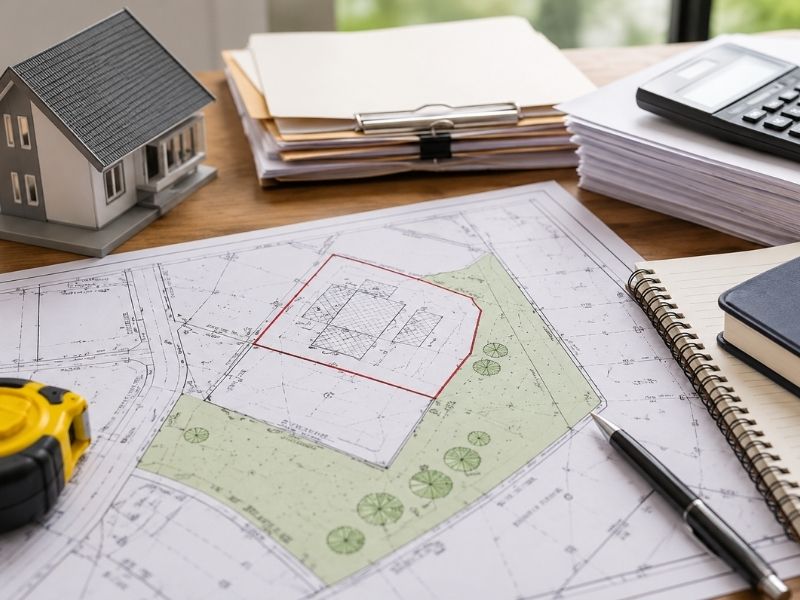
Surveying companies reviewing site plans and measuring land before commercial site development

A commercial property may look ready to build on at first. The land seems flat. The lot feels wide open. Everything looks simple from the road.

Then the real work starts.

Developers quickly learn that commercial construction depends on accurate land information. Before plans move forward, teams need to know where the property lines sit, how water flows across the site, and whether hidden issues could create delays later. That is why surveying companies play such a big role before commercial site development begins.

Without proper survey work, small mistakes can become expensive problems.

Commercial Development Depends on Accurate Site Information

Commercial projects involve serious money. A developer may plan a retail center, warehouse, office building, or medical space. Every part of that project depends on reliable land data.

One mistake can slow the entire job.

A parking lot may cross into the wrong property. A drainage path may send water toward the building. Utility lines may sit closer than expected. These issues happen more often than people think.

Because of that, many developers order a commercial land survey early in the planning process.

Surveyors measure the property and collect detailed site information. Then they create maps and drawings that engineers, architects, and contractors use during design and construction.

Everyone works from the same information. That keeps projects more organized from the start.

Property Boundaries Affect the Entire Layout

Commercial sites rarely sit alone. Most properties border roads, sidewalks, neighboring businesses, utility easements, or shared access areas.

That changes how the site can be used.

Buildings cannot sit too close to property lines. Parking lots must follow local setback rules. Delivery access points also need enough space to work safely.

Surveying companies help developers understand these limits before design begins.

That early information saves time later.

A project team can adjust the layout before construction drawings are finished. That prevents major redesign work halfway through the project.

Permit Delays Often Start With Missing Site Data

Cities and counties require detailed site plans before approving commercial construction.

If information is missing, permit reviews slow down quickly.

Reviewers may ask questions about drainage, access roads, grading, utility placement, or property boundaries. Without accurate survey data, engineers may struggle to provide clear answers.

Surveying companies help reduce these problems early.

Surveyors provide the measurements and site details engineers need for permit drawings. As a result, permit applications often move through the review process faster.

That matters because construction delays cost money every day.

Contractors, lenders, suppliers, and developers all depend on the project timeline staying on track.

Water Problems Can Damage a Site Fast

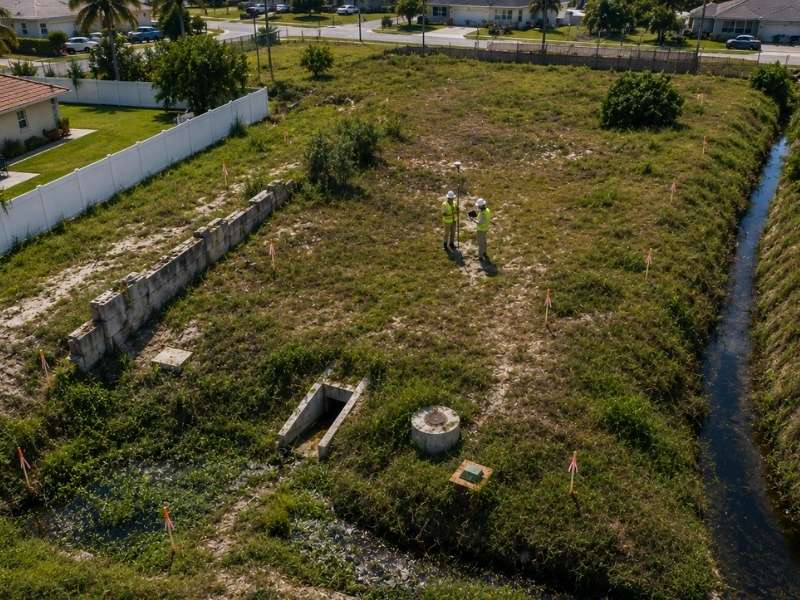
Surveying companies reviewing topographic survey data and drainage planning for commercial site development

Drainage creates major problems on commercial properties.

After heavy rain, water can flood low areas, damage pavement, weaken soil, and slow construction work. Some drainage problems even create long-term issues after the building opens.

The hard part is this: many drainage problems are difficult to see at first glance.

A property may appear flat while still containing small elevation changes that affect water movement. Water always follows the lowest path.

That is why developers often request topographic surveys before grading starts.

Surveying companies measure elevation changes across the site. Then engineers use that information to design proper drainage systems.

Good drainage protects buildings, parking lots, sidewalks, and landscaping from future damage.

Existing Site Features Can Create Hidden Problems

Commercial land does not always sit empty.

Older utility lines, storm drains, fences, retaining walls, access roads, and underground systems may already exist on the property. Some features may not appear on outdated records.

That creates risk during development.

A contractor may begin excavation and suddenly hit underground utilities. Work stops immediately. Engineers may need to redesign parts of the project. Costs start climbing fast.

Surveying companies help reduce those surprises before construction begins.

Surveyors identify visible site features and compare them with available records. This gives developers a clearer picture of what already exists on the property.

Teams can make smarter planning decisions before heavy equipment arrives.

Better Surveys Lead to Better Site Design

Commercial properties must fit many moving parts into one site.

Developers need space for buildings, parking, sidewalks, drainage systems, loading areas, landscaping, and utility access. At the same time, local building rules still apply.

Without accurate measurements, site planning becomes much harder.

Surveying companies provide the data architects and engineers need to create workable designs.

That information helps determine:

  • where buildings fit best
  • how traffic should move through the site
  • where drainage systems should go
  • how much grading the property may need

Good survey information helps the project function better during both construction and daily use.

Lenders Want Reliable Survey Information

Commercial development often involves banks, investors, and outside funding.

Before approving loans, lenders want proof that the property supports the planned development. They also want confidence that legal records match real site conditions.

That is another reason surveying companies matter so much.

Accurate surveys help confirm:

  • property boundaries
  • easements
  • access points
  • existing improvements
  • possible site conflicts

Many commercial projects also require ALTA surveys during the financing process.

These surveys help lenders and title companies review the property before construction money gets released.

Small Problems Grow Fast During Construction

Many construction issues start small.

An easement may appear in the wrong place. A boundary line may not match old records. A grading issue may look minor early in the process.

Then construction starts.

Crews stop working. Plans need revisions. Materials may need removal and replacement. Some projects even face legal disputes between neighboring properties.

Surveying companies help developers catch these issues before construction begins.

Fixing problems early usually costs far less than fixing them after crews are already on site.

That early information protects both the construction schedule and the project budget.

Good Commercial Projects Start With Accurate Survey Data

Commercial development depends on planning. Strong planning starts with accurate land information.

That is why surveying companies remain essential before commercial site development begins.

Surveyors help developers understand the property before major money goes into design and construction. They identify boundaries, measure elevations, locate existing features, and support smarter site planning across the entire project.

Most importantly, they help reduce risk.

Projects move faster when teams start with reliable survey data instead of assumptions.

Posted in land surveying | Tagged Land Surveying

What to Request in a 2026 ALTA Survey (New Standards Explained)

Jacksonville Land Surveying Posted on May 4, 2026 by JaxsurveyorMay 4, 2026
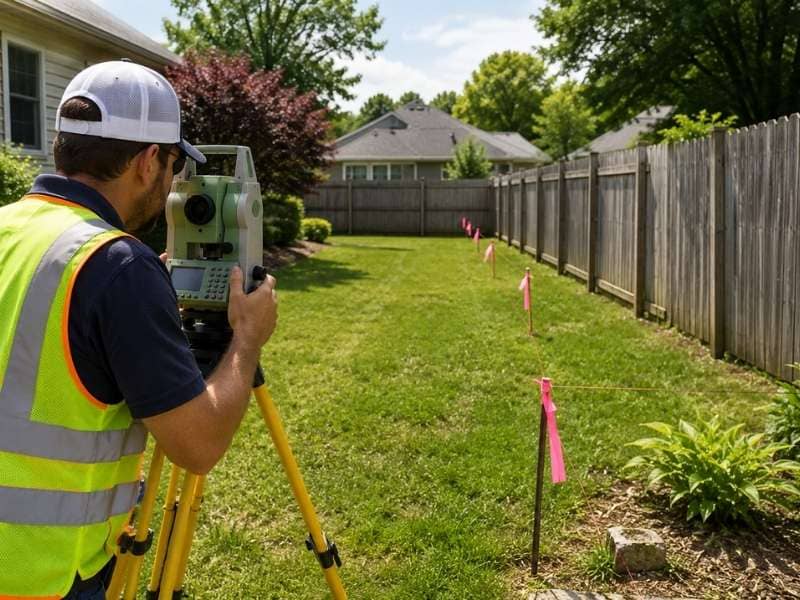
Land surveyor using total station equipment to verify property data for a 2026 ALTA survey in the field

A compliant 2026 ALTA/NSPS survey request requires four key elements: a clear reference to the 2026 standard, a current title commitment, all recorded property documents, and selected Table A items. Missing any of these can delay approval, trigger revisions, or result in lender rejection.

The updated standards took effect on February 23, 2026. If you’re ordering an ALTA survey today, following these requirements upfront is critical to avoid delays and keep your transaction on track.

What Are the 2026 ALTA/NSPS Standards?

The 2026 ALTA/NSPS standards define how ALTA Land Title Surveys are performed across the United States, ensuring consistency for lenders, buyers, and title companies.

They establish requirements for:

  • Property boundaries
  • Easements
  • Improvements
  • Access and encroachments

These standards are issued by the American Land Title Association (ALTA) and the National Society of Professional Surveyors (NSPS), creating a uniform framework for commercial real estate due diligence.

What Changed in the 2026 ALTA Standards?

The 2026 update removes ambiguity by requiring all survey scope elements to be clearly defined before work begins. This eliminates assumptions that previously caused delays and revisions.

Key changes include:

  • Survey requests must explicitly reference the 2026 standard
  • Table A items must be selected upfront
  • Supporting documentation is fully required at the start
  • Review processes are more standardized

In practice, this results in fewer revisions, faster lender approvals, and less back-and-forth during transactions.

What Must You Request in a 2026 ALTA Survey?

A compliant 2026 ALTA survey request must include four key elements: a clear reference to the 2026 ALTA/NSPS standard, a current title commitment, all relevant recorded property documents, and selected Table A items. Missing any of these can delay approval or cause lender rejection.

Infographic showing 2026 ALTA survey request requirements including title commitment, recorded documents, Table A items, and property survey map

To avoid issues, your request should include:

  • An explicit reference to the 2026 ALTA/NSPS standard
  • A current title commitment
  • Recorded documents (deeds, plats, easements)
  • Selected Table A items

If any of these are missing, the surveyor may pause the project or deliver a survey that does not meet lender requirements. Each component directly impacts survey accuracy, lender approval, and overall timeline reliability.

Why Do the 2026 Standards Matter?

The 2026 standards matter because most survey delays are caused by incomplete or unclear requests, not fieldwork errors.

When the request is complete:

  • The survey is accepted the first time
  • Lender review moves faster
  • The closing schedule stays intact

When it’s incomplete:

  • Revisions are required
  • Closing gets delayed
  • Costs increase

In commercial transactions, missing documentation or unclear scope can add 5 to 15 days to the timeline, which is often enough to disrupt financing or push closing dates.

What Happens If You Don’t Specify the 2026 Standard?

If the 2026 standard is not clearly stated, the survey may not meet lender requirements and could be rejected.

Common outcomes include:

  • Missing required elements
  • Lender rejection
  • Last-minute revisions
  • Additional costs

For example, if a survey is completed under outdated assumptions, the lender may require revisions under the 2026 standard, forcing tight deadlines and delaying closing.

What Are the Most Common Mistakes When Ordering an ALTA Survey?

Most ALTA survey delays come from avoidable coordination issues rather than technical errors.

Common mistakes include:

  • Not specifying the 2026 ALTA standard
  • Skipping Table A item selection
  • Failing to provide a title commitment
  • Assuming a “standard scope” applies
  • Ordering the survey too late

Avoiding these mistakes significantly improves approval timelines and reduces project risk.

How Do You Request a 2026 ALTA Survey Correctly?

A proper 2026 ALTA survey request follows a clear, structured process that eliminates guesswork for the surveyor.

To submit a complete request:

  • Define the purpose (purchase, refinance, or development)
  • Clearly state the 2026 ALTA/NSPS standard
  • Provide the title commitment
  • Submit all recorded documents
  • Select appropriate Table A items
  • Order early

This ensures the survey is aligned with lender expectations from the start.

Which Table A Items Do You Need?

Table A items should be selected based on how the property will be used, not chosen at random.

Common Table A items include:

  • Utilities
  • Zoning information
  • Flood zone data
  • Building dimensions
  • Parking details
  • Topographic features

Typical selections vary by use:

  • Developers: utilities and topography
  • Lenders: zoning and flood data
  • Buyers: access and easements

A large share of lender pushbacks is tied to missing or incorrect Table A selections.

Why Does Timing Matter in ALTA Surveys?

Ordering an ALTA survey early allows time to resolve issues before they impact the transaction.

When ordered early:

  • Boundary issues are identified before design begins
  • Easements are reviewed before planning decisions
  • Documents can be corrected without pressure

When ordered late:

  • Issues surface during closing
  • Revisions happen under tight deadlines
  • Timelines become compressed

Early coordination is one of the most effective ways to prevent delays.

Real-World Example of a 2026 ALTA Survey Workflow

A developer submits a complete request including the 2026 standard, title commitment, and selected Table A items.

During initial review, the surveyor identifies missing easement documents, which are resolved before fieldwork begins.

The result:

  • No redesign during lender review
  • No last-minute revisions
  • A smoother, faster closing process

Why Are ALTA Surveys Required in Commercial Deals?

ALTA surveys are required because lenders and title companies rely on them to verify property conditions before financing.

They support:

  • Title insurance underwriting
  • Lender risk evaluation
  • Legal property verification
  • Consistent due diligence

Most financed commercial real estate transactions require an ALTA survey to move forward.

FAQ

Do I always need an ALTA survey?

ALTA surveys are typically required for commercial transactions involving lenders or title insurance. Most residential transactions use simpler survey types.

How long does an ALTA survey take?

Most ALTA surveys take several weeks. Timelines depend on property size, complexity, and how complete the initial documentation is.

What’s the difference between an ALTA survey and a boundary survey?

A boundary survey identifies property lines. An ALTA survey includes boundaries, easements, improvements, and title-related details required for commercial real estate transactions.

Posted in alta survey, land surveying | Tagged 2026 alta survey standards, alta survey

Welcome to Jacksonville Land Surveying

Jacksonville Land Surveying Posted on August 18, 2017 by JaxsurveyorMay 9, 2020
Jacksonville Land Surveying Services

This site is intended to provide you with information on Land Surveying in the Jacksonville, Florida and Duval County area of Florida. If you’re looking for a Jacksonville Land Surveyor, you’ve come to the right place. If you’d rather talk to someone about your land surveying needs, please call our local number at (904)-712-2289 today. For more information, please continue to read.

land surveyingLand Surveyors are professionals who make precise measurements to determine the size and boundaries of a piece of real estate.  While this is a simplistic definition, boundary surveying is one of the most common types of surveying related to home and land owners. If you fall into the following categories, please click on the appropriate link for more information on that subject:

Jacksonville Land Surveying services:

    1. I need to know where my property corners or property lines are. (Boundary Survey)
    2. I have a loan closing or re-finance coming up on my home in a subdivision. (Lot Survey)
    3. I need a map of my property with contour lines to show elevation differences for my architect or engineer. (Topo Survey)
    4. I’ve just been told I’m in a flood zone or I’ve been told I need an elevation certificate in order to obtain flood insurance or prove I don’t need it. (Flood Survey)
    5. I’m purchasing a lot/house in a recorded subdivision. (Lot Survey – See Boundary Survey if you’re not in a subdivision.)
    6. I’m purchasing a larger tract of land, acreage, that hasn’t been subdivided in the past. (Boundary Survey)

Contact Jacksonville Land Surveying services TODAY at (904) 712-2289.

Posted in boundary surveying, elevation certificate, land surveying, land surveyor | Tagged boundary survey, Jacksonville Land Surveying, land surveyor, land surveyor Jacksonville tn

Post navigation

← Older posts
Newer posts →
Get Quote Button

Jacksonville Florida Land Surveyors

© Copyright Jacksonville Land Surveying
Jacksonville, FL
Phone: 904-712-2289

Privacy Policy | Terms of Use
Web Development and SEO by:
N2Biz.co
↑