Why an Elevation Certificate Can Matter Before Flood Insurance Surprises a Buyer
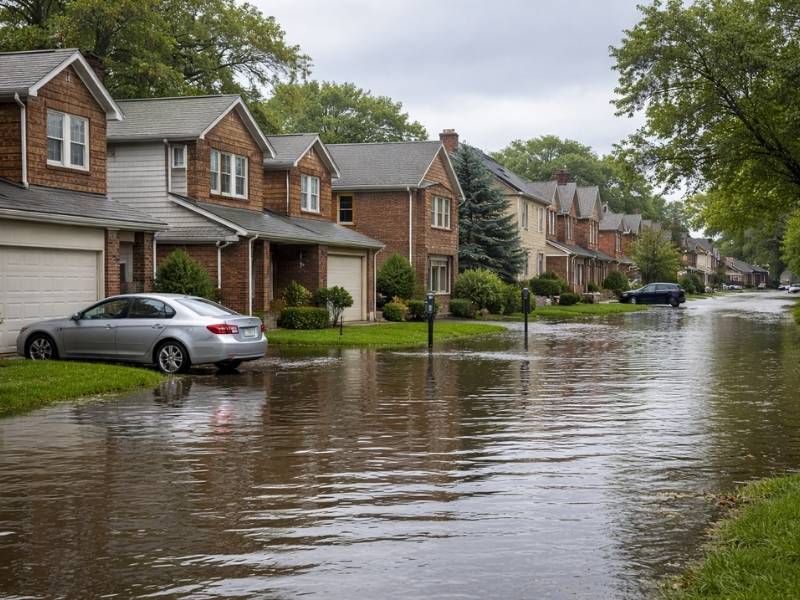
Severe storms hit hard. A single flood can ruin a commercial property investment or a residential flip. Many buyers look at a plot of land and assume it is safe because it sits outside a high-risk zone. That assumption can cost thousands of dollars every year in premiums.
Getting an elevation certificate before you finalize a purchase is the only way to find your true financial risk. This document provides accurate elevation measurements that verify the exact height of a building relative to local floodwaters, helping buyers avoid expensive closing surprises.
Flood Zones Don’t Always Tell the Whole Story
A property can sit right on the edge of a high-risk zone. The official map might label the dirt as low risk, but local drainage problems can still cause major water damage.
Insurers now use an updated system called Risk Rating 2.0. Under these guidelines, insurance companies look at specific ground features rather than just broad colored zones on a map. They calculate risk based on distance to water, unique ground features, and true rebuilding costs. Because of this shift, a flat map cannot give you an accurate insurance quote. You need precise ground numbers to protect your capital. A property outside the official flood zone can still carry high insurance costs if the ground dips lower than the surrounding area.
An Elevation Certificate Shows How High the Structure Sits
Insurance companies look at specific baseline numbers before they write a policy. They want to know the exact height of the lowest floor of your building. They compare this number to the Base Flood Elevation calculated for your specific area. This baseline is the height where floodwaters have a one percent chance of rising in any given year.
An elevation certificate gives you these measurements. A licensed surveyor measures the foundation, the mechanical machinery, and the adjacent ground. If the building sits even one foot below the target line, your risk spikes. If it sits well above the line, your rates drop. This document turns a guessing game into exact engineering data. It tells you if the air conditioning units, electrical boxes, and main floors sit safe from rising creek waters or tidal surges.
Insurance Costs Can Vary More Than Buyers Expect
Two identical buildings on the same street can have completely different financial outcomes. One builder might place a slab foundation directly on the dirt. Another builder might use extra fill dirt to raise the foundation two feet higher.
The first property could face massive insurance premiums under current rules. The second property might qualify for the lowest possible rates. Buyers often get hit with unexpected bills right at the closing table because they skipped this verification step. Flood insurance is no longer a flat rate across a neighborhood. Small differences in foundation height change your cash flow for years. Knowing these numbers early lets you adjust your development budget or walk away before you spend your money.
Under the current pricing system, software models generate a first floor height estimate automatically if no certificate is provided. If the automated model guesses incorrectly, your premium quote will be artificially inflated. Submitting a certified document overrides these assumptions with exact fieldwork, which can drop your ongoing operational expenses instantly.
Older Homes May Carry Hidden Flood Insurance Risks
Many historic areas feature older commercial structures and classic homes. However, these buildings were constructed long before modern flood management rules existed.
Many of these structures sit low to the ground. They often feature old crawl spaces that trap water during heavy rainfall. Buying an older building without checking the foundation height introduces massive risk. When these properties change owners, older subsidized insurance rates can vanish. The new buyer faces current market rates based on actual risk. An old structure can suddenly become a financial drain if the true elevation requires high premium payments to stay legal with your lender.
Reviewing Elevation Data Early Helps Buyers Avoid Surprises
Smart builders integrate elevation checks into their standard due diligence checklist. Do not wait for the bank to demand the paperwork right before closing.
You can ask the seller for an existing certificate during your initial inspection window. If they do not have one, hire a local surveyor to complete the job immediately. Having this data allows you to negotiate a lower price if the building sits too low. You can also plan structural changes like moving electrical panels or adding flood vents to lower your eventual premium before you take ownership.
Frequently Asked Questions
What is an elevation certificate?
It is an official document created by a licensed surveyor. It measures the elevation of a building’s floors and compares them to local flood risk levels. Insurers use it to set accurate flood insurance rates.
Is an elevation certificate required to buy property?
Lenders usually require one if the building sits in a high-risk flood zone and you are taking out a mortgage. Even if the lender does not ask for it, buying one protects you from sudden rate hikes after closing.
Can you get flood insurance without an elevation certificate?
Yes, under current insurance models, companies can use their own software data to estimate rates. However, providing a certified document often helps lower your premiums if your building sits higher than their estimated models show.
How much does it cost to get a property surveyed for this certificate?
The cost generally ranges from several hundred to over a thousand dollars. The final price depends on the size of the building, the location, and how hard it is to access the foundation elements.
How long does an elevation certificate stay valid?
The document remains valid until the building experiences physical structural changes or the official local flood maps for that specific neighborhood are updated.
