
A Surveyor for Fence Projects Can Settle Problems Before They Start
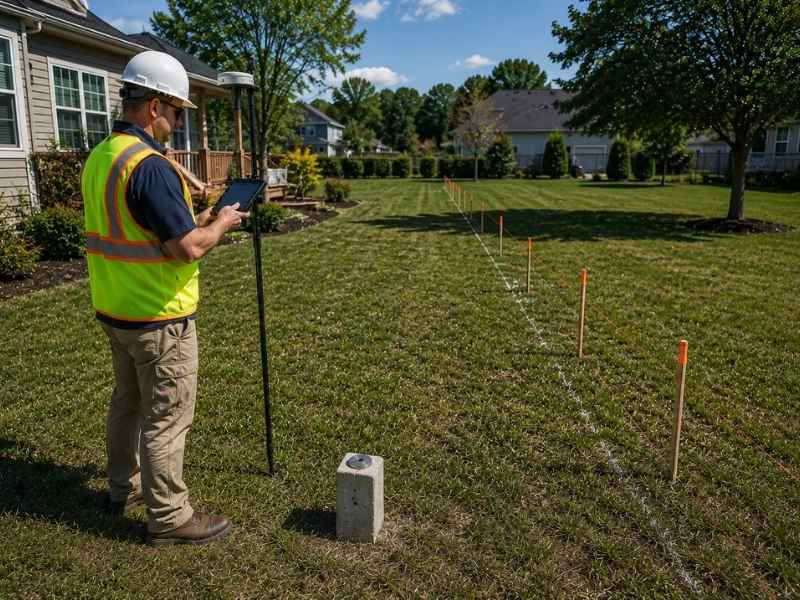
Hiring a surveyor for fence installation is one of the smartest steps a homeowner can take before starting a project. Many people assume that an old fence in the yard, a few corner pins, or the neighbor’s fence shows exactly where their property ends. That assumption turns out to be wrong more often than most people expect. And finding out after the fence is already built makes everything much harder and more expensive to fix.
A professional survey removes the guesswork before a single post hole gets dug.
Why Existing Fences Are Not Always on the Property Line
An old fence feels like solid proof of where the boundary is. It’s been there for years. The people who owned the house before put it up. Nobody has complained about it. So it must be right.
That’s not always true. Fences don’t get installed by licensed surveyors. They get put in by homeowners who made a reasonable guess, contractors who eyeballed the yard, or neighbors who agreed on a spot that felt fair but nobody ever checked. Any of those methods can put a fence a few inches or even a few feet away from where the legal line really is.
The legal boundary comes from the deed and the original property records. A surveyor measures it using those documents and physical markers set in the ground. An old fence sitting nearby reflects one person’s best guess, not a professional measurement. Those two things can look the same from outside but be very different on paper.
Common Fence Mistakes That Lead to Neighbor Problems
Most fence disputes don’t start because someone did something wrong on purpose. They start because of bad assumptions and missing information. A homeowner picks a spot that looks fine, a contractor installs the posts, and nobody checks the boundary until something goes wrong.
The most common problems include:
- Building over the line. Even a small overlap onto a neighbor’s property gives that neighbor the right to ask for the fence to be moved. The cost of taking it out and putting it back in the right spot almost always falls on the person who put it in the wrong place.
- Blocking an easement. Utility and drainage easements sometimes run near the edge of a property. A fence built across one can be ordered removed by the easement holder, no matter how much was spent on it.
- Shared fence mix-ups. Two neighbors who each chip in for a fence and both assume it’s on the line can end up with a problem if the line gets formally checked later and the fence turns out to be off.
- Setback violations. Many towns and cities require fences to sit a certain distance from the property line or the road. Building too close to the boundary without checking the rules can mean a code violation and required changes.
Every one of these problems is much easier and cheaper to prevent than to fix after the fence is already up.
How a Surveyor Finds the Right Line Before Construction
A boundary survey for a fence project starts with research. The surveyor looks at the recorded legal description for the property, the original subdivision map, and any prior surveys on file. Understanding what the records say comes before any work is done on the ground.
Then comes the field work. The surveyor visits the property and looks for existing markers, such as iron pins or concrete stakes set at the corners. The surveyor measures from those markers to confirm their positions match the recorded documents. If a marker is missing or has been moved, the surveyor uses nearby markers, plat measurements, and recorded references to figure out where the line should be.
Once the line is confirmed, the surveyor marks it. Stakes or pins go into the ground at key points along the boundary. The homeowner and the contractor can then see exactly where the fence should go. That marked line is tied to the legal records. It’s a professional determination, not a guess.
Why a Survey Costs Less Than Fixing a Mistake
It’s easy to weigh the cost of a survey against the cost of getting the fence placement wrong.
Moving a fence that was built in the wrong spot means pulling out the posts, fixing the disturbed ground, buying new materials, and paying a contractor to do the work a second time. Depending on how long the fence is and how far off the placement was, that can easily cost more than the survey would have in the first place.
Neighbor problems add more costs on top of that. When a fence clearly crosses a property line and the neighbor objects, solving it can involve hiring attorneys, ordering a formal survey, and negotiating over who pays for the move. Even when both neighbors try to work it out on their own, the stress and damaged relationship are real losses.
Fences built across easements or that break local codes may have to come down completely. The money spent on them is gone, and the project has to start over from scratch.
Getting a survey before construction avoids all of that.
Things to Check Before Installing a New Fence
A few simple questions before buying materials or hiring a contractor can save a lot of trouble:
- Where is the actual property line? Not where an old fence sits, and not where the yard seems to end, but where a survey says it is.
- Are there any easements along the edge of the property? Utility and drainage easements often run near property lines and limit where a permanent fence can go.
- What are the local setback rules? Many areas require fences to sit a set distance from the property line or the road. Those rules vary depending on fence height and where on the lot the fence will go.
- Does the neighborhood have restrictions? Some homeowners associations and property deeds limit fence height, materials, or placement. Checking this before buying materials avoids a wasted trip.
- Has the neighbor been told? Letting a neighbor know about the fence before it goes up, rather than after, avoids a lot of tension, even when the fence will be fully within the property.
Frequently Asked Questions
Do I need a surveyor before putting up a fence?
A survey isn’t always required by law, but it’s the most reliable way to know where the property line actually is before construction starts. Without one, placement decisions are based on guesses that may not match the legal boundary.
Can I use my neighbor’s existing fence as the property line?
No. That fence shows where it was installed, not where the recorded boundary is. Using it as a guide means trusting someone else’s guess, which may be off by inches or feet.
What happens if a fence gets built over the property line?
The neighbor can ask for it to be moved. The cost of relocation usually falls on the person who built it in the wrong place. If the situation gets worse, it can lead to legal action and formal surveys, all of which cost far more than a survey done before construction.
How does a surveyor mark the line for a fence project?
The surveyor reviews the property records, finds existing boundary markers, and measures to confirm where the line sits. Stakes or pins are then set at key points so the homeowner and contractor know exactly where to put the fence.
