
How Survey Mapping Reveals Easements and Drainage Issues
Building a commercial property on an unmapped piece of land can lead to disaster. You might clear the ground, pour the concrete and start framing your building. Then a city worker shows up with a shutdown order because your new structure sits right on top of a major drainage pipe. Investing in professional survey mapping protects your investment from these unexpected stoppages by identifying hidden risks before construction crews arrive.
A clear land map tells your design team exactly where they can build and where they must leave the ground untouched.
Locating Hidden Land Agreements
An easement is a legal right that allows someone else to use a portion of your land. Some easements are easy to spot, like a wide gravel driveway crossing a lot. Others remain completely invisible until you pull old property records.
A surveyor reviews the title history to find these agreements. They locate utility lines, shared access roads and paths used by city workers. The final map shows the exact boundaries of these legal zones. Knowing these locations prevents your team from blocking a neighbor’s lawful access.
How Survey Mapping Reveals Easements
A quality site map links legal words in a deed to physical marks on the ground. This visual guide prevents your crew from making costly building mistakes.
Marking Legal Boundaries on the Ground
Property descriptions in old deeds can be hard to understand. A mapping specialist translates those old descriptions into clean lines on a map. They place physical markers in the dirt so your crew knows where the restrictions sit.
Keeping New Buildings Within Code
Most cities will not let you build permanent structures inside an active easement zone. If you pour a foundation over a city water main, the local government can force you to tear it down at your own expense. A proper map ensures your architects design structures safely outside these restricted zones.
Uncovering Underground Pipes and Cables
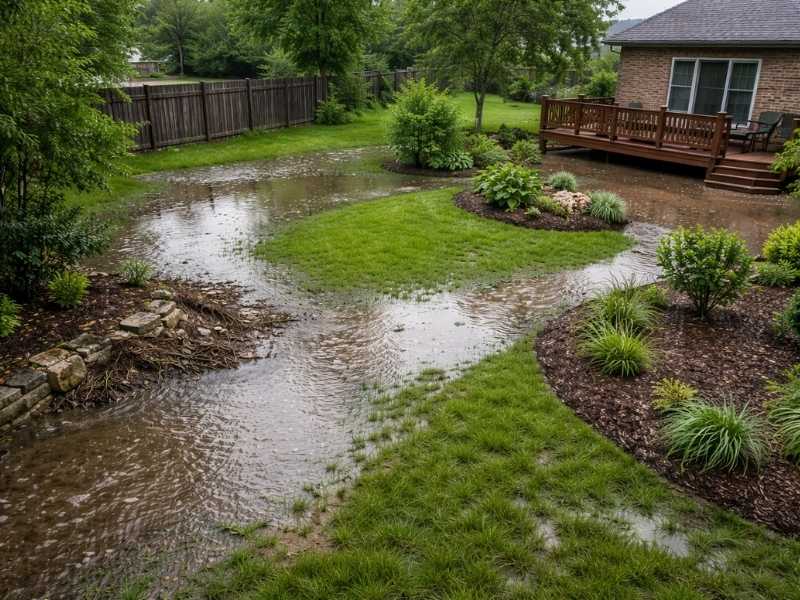
Heavy rain can swamp a commercial site if the property lacks a clear path for runoff water. Many pieces of land rely on buried infrastructure to stay dry.
A mapping specialist uses specialized tools to find buried assets. They draw these elements onto your master site map.
- Buried storm water pipes and concrete culverts
- City sewer mains and connection lines
- Open ditches that carry rain runoff away from buildings
- Catch basins that collect surface water
Survey Mapping for Severe Drainage Problems
Water always finds the lowest point on a piece of land. If your site slopes toward your future front door, you will face major flooding issues.
A topographic map shows the exact elevation of the ground across your whole lot. It identifies low spots where standing water will pool after a storm. Your engineering team uses this information to plan out proper slopes and retention ponds.
Preventing Future Lawsuits from Neighbors
Altering the shape of your land can change how rainwater flows across the entire neighborhood. If your new building pushes water onto a nearby commercial lot, that owner can sue you for property damage.
Detailed ground mapping protects you from these legal battles. It proves your project will handle rain runoff safely without harming nearby businesses. It also gives your earthmoving crew an exact guide for leveling out the site.
Securing Building Permits Faster
Local planning boards look closely at how a new project impacts public utilities and water flow. They will reject your site plans if you cannot show where the rain water will go.
A professional map gives city inspectors the exact proof they need. It shows that your building avoids all utility easements. It also proves your drainage plan meets local environmental standards. Providing this data helps your project get through the city approval phase without long delays.
Frequently Asked Questions
Can a title search replace a physical property map?
No, a title search only uncovers the legal documents at the courthouse. It does not show where those agreements sit on the actual ground. You need a physical map to see how those papers impact your building footprint.
What happens if I accidentally build inside a utility easement?
The utility company has the legal right to remove your structure to access their pipes or wires. They do not have to pay for the damage to your building. You will have to pay for the removal costs.
How does a surveyor find buried drainage pipes?
They use metal detectors, ground radar and historic city utility maps. They also look for physical clues on the surface like manhole covers, concrete headwalls and sunken areas in the dirt.
Can an easement agreement ever be removed from a property?
Yes, some agreements can be canceled if both parties sign a legal release. Other agreements expire automatically if the utility company abandons the line. You must record these changes at the local courthouse.
Why is drainage mapping so important for commercial parking lots?
Large asphalt parking lots cannot absorb rainwater. A map helps engineers design catch basins and piping to move that water away from your buildings. This prevents large puddles from blocking your customers.
